
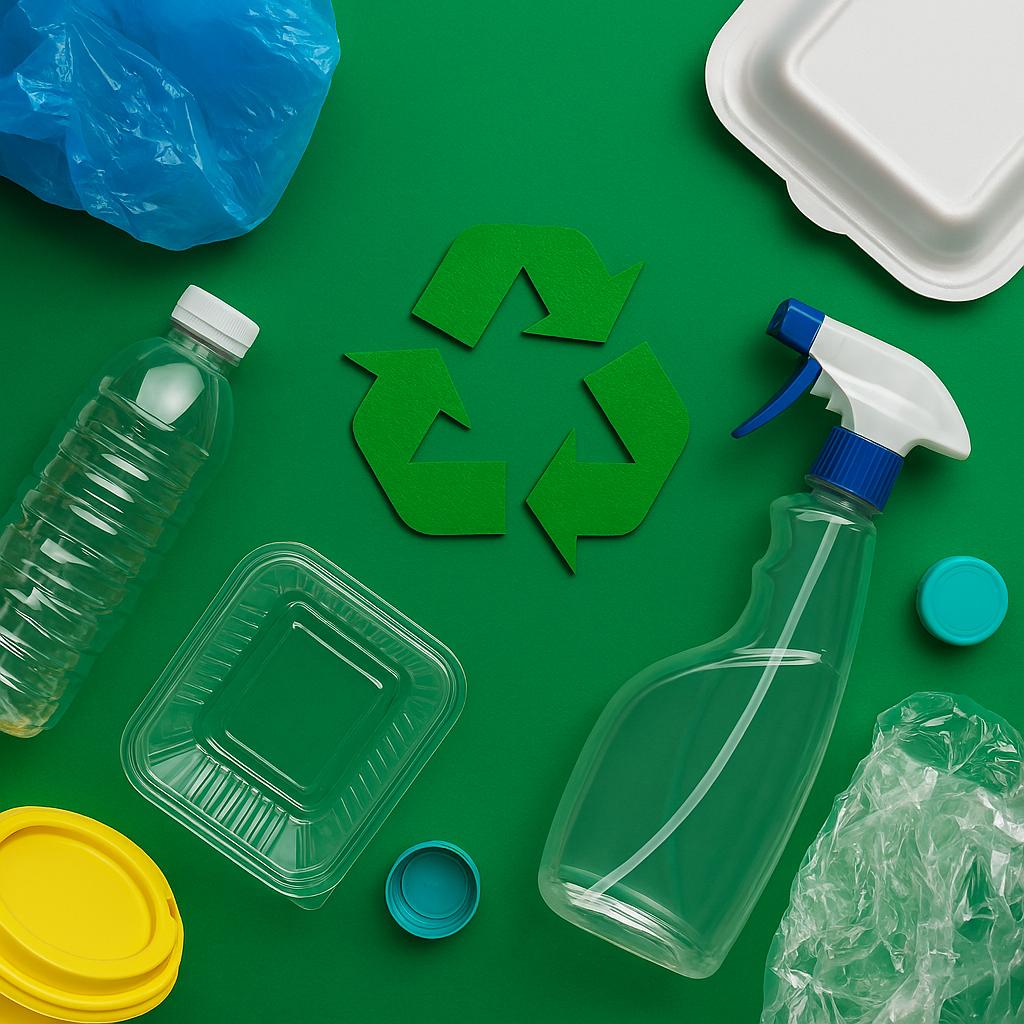
Plastic recycling has long been presented as a simple environmental solution: place your plastics in the bin, and they will be reborn as something new. In reality, the system is far more complex, and widespread misconceptions have led to contamination, inefficiency, and a false sense of progress. As communities across the United States — including Chesapeake and the broader Hampton Roads region — work to improve recycling outcomes, it has become clear that both consumer habits and industry infrastructure must evolve.
This article examines the most common mistakes people make when recycling plastics, why the system struggles, and the emerging companies quietly reshaping the future of plastic recovery.
The Most Common Mistakes in Plastic Recycling
Recycling the Wrong Plastics
Most Americans assume that any plastic with a recycling symbol is recyclable. In practice, most municipal programs — including Chesapeake’s drop‑off system — only accept plastics labeled with a #1 or #2. These are typically bottles and jugs made from PET or HDPE, which have established markets and processing pathways.
Items that are frequently mis-recycled include:
• Plastic bags and film plastics
• Styrofoam
• Clamshell containers
• Coffee cup lids
• “Biodegradable” or “compostable” plastics
When these materials enter the recycling stream, they contaminate entire batches and often cause the load to be rejected.
Bagging Recyclables
Recyclables should never be placed inside plastic bags. Bags jam sorting equipment, increase labor costs, and often result in otherwise recyclable materials being landfilled. Chesapeake’s program explicitly requires all items to be placed loose in the bin or drop‑off container.
Not Rinsing Containers
Food residue is one of the leading causes of contamination. Even small amounts of grease, liquid, or residue can spoil a batch of plastics, making it unsuitable for processing.
Wishcycling
Wishcycling — tossing questionable items into the bin with the hope that they will be recycled — is one of the most damaging habits in the system. Sorting facilities are not designed to handle guesswork, and the presence of non-recyclable plastics slows operations, increases costs, and reduces the overall recovery rate.
Why the Recycling System Struggles
Limited Domestic Processing Capacity
For decades, the United States relied heavily on exporting plastics overseas. When those markets closed, domestic facilities were overwhelmed, revealing a lack of infrastructure to handle the volume of waste produced.
Outdated Sorting Technology
Many material recovery facilities were built before the explosion of modern plastic packaging. They are not equipped to handle the complexity of today’s materials, especially flexible plastics, multi-layer packaging, and mixed resins.
Low Market Value
Some plastics cost more to recycle than to produce new. Without strong markets for recycled materials, facilities have little incentive to process certain types of plastics.
Emerging and Under‑the‑Radar Companies Transforming Plastic Recycling
While the challenges are significant, innovation is accelerating. Several new or lesser‑known companies are developing technologies that could dramatically improve plastic recovery and circularity.
TFC Recycling (Virginia)
A regional leader in the Mid‑Atlantic, TFC Recycling operates major facilities in Chesapeake, Chester, and Newport News. They manage recycling for more than half a million households and are investing in contamination‑reduction programs, community education, and improved sorting capabilities. For residents in Chesapeake, TFC is the backbone of the local recycling system.
PureCycle Technologies
PureCycle is pioneering a solvent‑based purification process that transforms post‑consumer polypropylene (#5) into near‑virgin material. This is significant because polypropylene is one of the most commonly used — yet least recycled — plastics in the world.
Novoloop
Novoloop focuses on upcycling polyethylene waste, including grocery bags and film plastics, which are notoriously difficult to recycle. Their process converts these materials into high‑performance chemicals used in footwear, automotive components, and sporting goods.
ByFusion
ByFusion has developed a system that compresses mixed, unrecyclable plastics into construction‑grade blocks called ByBlocks. This technology bypasses the need for sorting, washing, or melting, offering a solution for plastics that would otherwise be landfilled.
AMP Robotics
AMP Robotics uses artificial intelligence and robotics to identify and sort plastics with far greater accuracy than traditional systems. Their technology is being adopted by smaller facilities that previously lacked the ability to sort efficiently, helping increase recovery rates nationwide.
How Consumers Can Recycle Plastics Correctly
Improving recycling outcomes requires both systemic change and informed consumer behavior. Individuals can make a meaningful impact by following these guidelines:
• Know what your local facility accepts. In Chesapeake, only #1 and #2 plastics are accepted at drop‑off sites.
• Rinse containers to remove food residue.
• Keep items loose — never bag recyclables.
• Avoid wishcycling. When in doubt, leave it out.
• Support companies that use recycled materials, strengthening the market for recovered plastics.
The Path Forward
Plastic recycling is at a crossroads. While the current system faces significant challenges, innovation is rapidly reshaping what is possible. AI‑driven sorting, chemical recycling breakthroughs, and new upcycling technologies are creating pathways for plastics that were once considered unrecyclable.
The future of recycling depends on a combination of consumer education, infrastructure investment, and support for emerging companies that are redefining what circularity can look like. With the right strategies, plastic can move from a global problem to a renewable resource — but only if we commit to recycling the right way.
By supporting D3zignCaveTech, you’re investing in a cleaner, more sustainable future for our communities. Explore our collection of biodegradable phone cases and download our latest children’s ebooks focused on recycling, energy conservation, and planet-friendly habits. Every purchase directly contributes to advancing our environmental mission — including local park cleanups and expanded outreach efforts across Hampton Roads.